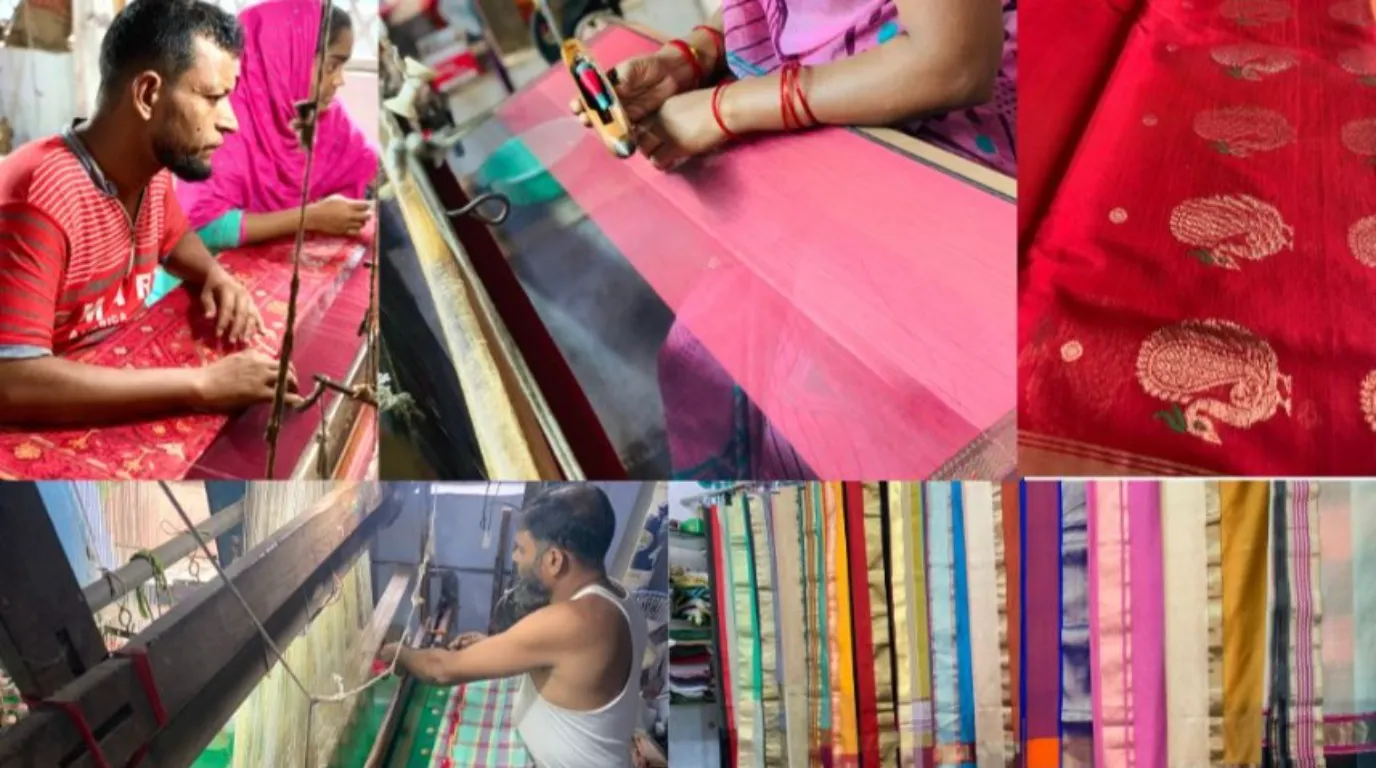
Embroideries of India: A Rich and Varied Tradition
Embroidery is a centuries-old art form that is practiced all over India. Each region has its own unique style, reflecting the local culture and traditions.
Embroidery is a versatile art form that can be used to create a wide variety of beautiful and meaningful works of art. It is a tradition that is deeply rooted in Indian culture, and it continues to evolve and grow today.
Some of the most famous Indian embroidery styles include:
Kantha embroidery from West Bengal is known for its simple, geometric patterns. It is traditionally done on old saris, using a running stitch.
Pattu embroidery from Tamil Nadu is characterized by its intricate floral patterns. It is often done on silk or cotton fabric, using a variety of stitches.
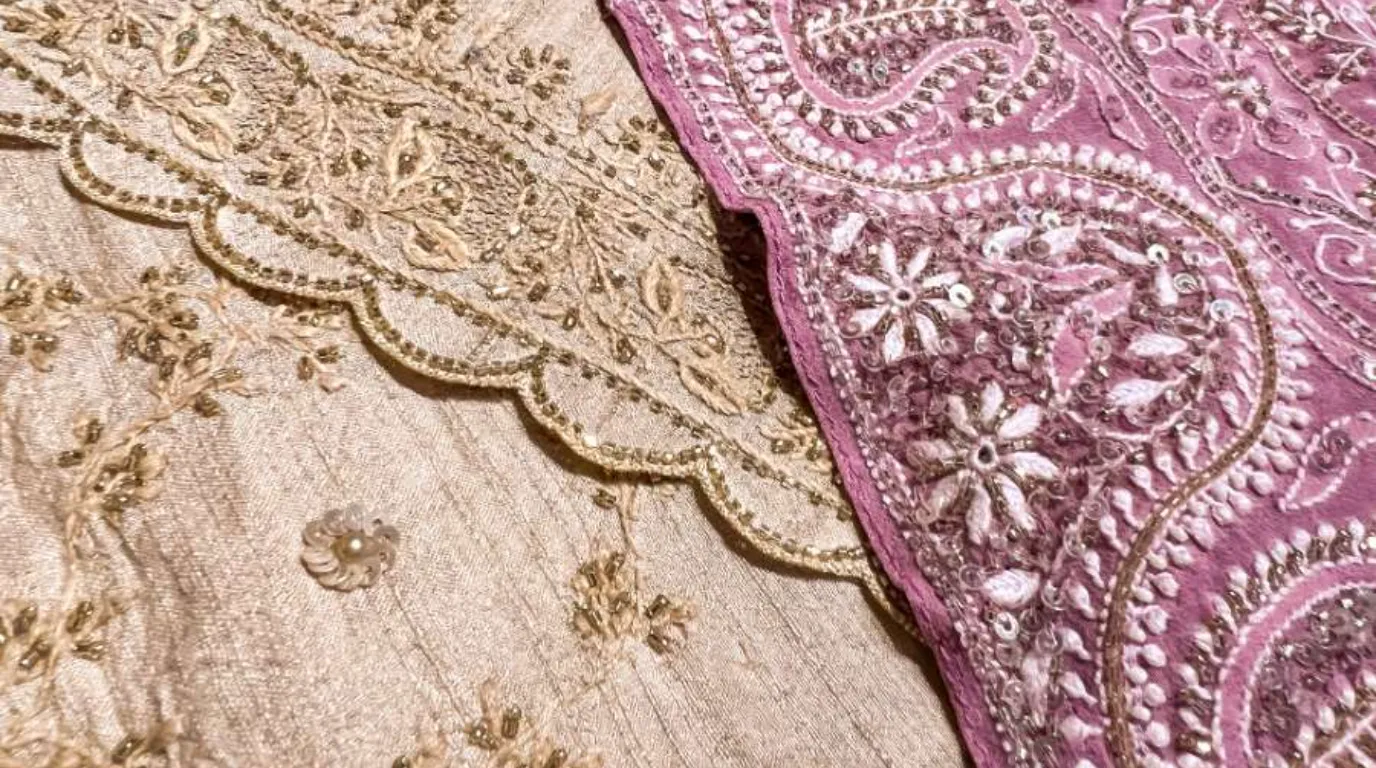
Chikankari embroidery from Lucknow is known for its delicate whitework patterns. It is traditionally done on muslin fabric, using a variety of stitches.
Aari embroidery from Gujarat is known for its bright colors and bold patterns. It is often done on saris, using a variety of stitches.
Tashil embroidery from Kashmir is known for its intricate floral patterns. It is traditionally done on woolen shawls, using a variety of stitches. Embroidery is not only a beautiful art form, but it is also a way for women to express themselves and their creativity. It is a tradition that has been passed down for generations, and it continues to thrive today.
Phulkari embroidery is thought to have originated in the 16th century, and it has been practiced by women in the Punjab region for centuries. It was originally used to decorate clothing, such as saris, dupattas, and turbans. However, it is now also used to decorate other items, such as bags, pillows, and curtain. The patterns are often geometric or floral, and they are usually made with brightly colored threads.
Chamba Rumaal Embroidery : In the 17th century, the Chamba Rumal embroidery was done by the queens and royal ladies of Chamba for wedding dowries, important gifts and ceremonial coverings. The motifs on these handkerchiefs have traditionally drawn from indigenous tales, including the Ramayana and Mahabharata. This stitch placed closely side by side brings such extraordinary effect that the embroidery comes out strikingly identical on either side of the Rumal. Knot does not appear in the threads used in embroidery
- It is a way for women to express themselves creatively.
- It is a way to preserve traditional culture and heritage.
- It is a way to make a living.
- It is a way to pass on skills and knowledge to younger generations.
Embroidery is a valuable part of Indian culture, and it is sure to continue to be practiced for many years to come.
I hope this blog post has introduced you to the beauty and variety of embroidery in India. If you are interested in learning more about this art form, come and travel with us to explore the crafts, textiles and culture of India. Join our group tours. I'm sure you will be amazed by the creativity and skill of the Indian embroiderers.
Key Takeaways
- India possesses an expansive textile heritage with regional embroideries reflecting local history, geography, and culture.
- Major iconic styles include Chikankari (Lucknow), Zardozi (Persian-inspired gold metallic work), Kantha (Bengal running stitch), and Phulkari (Punjabi floral embroidery).
- Hand embroidery plays a critical socio-economic role by supporting rural artisan livelihoods and preserving traditional Indian craftsmanship.
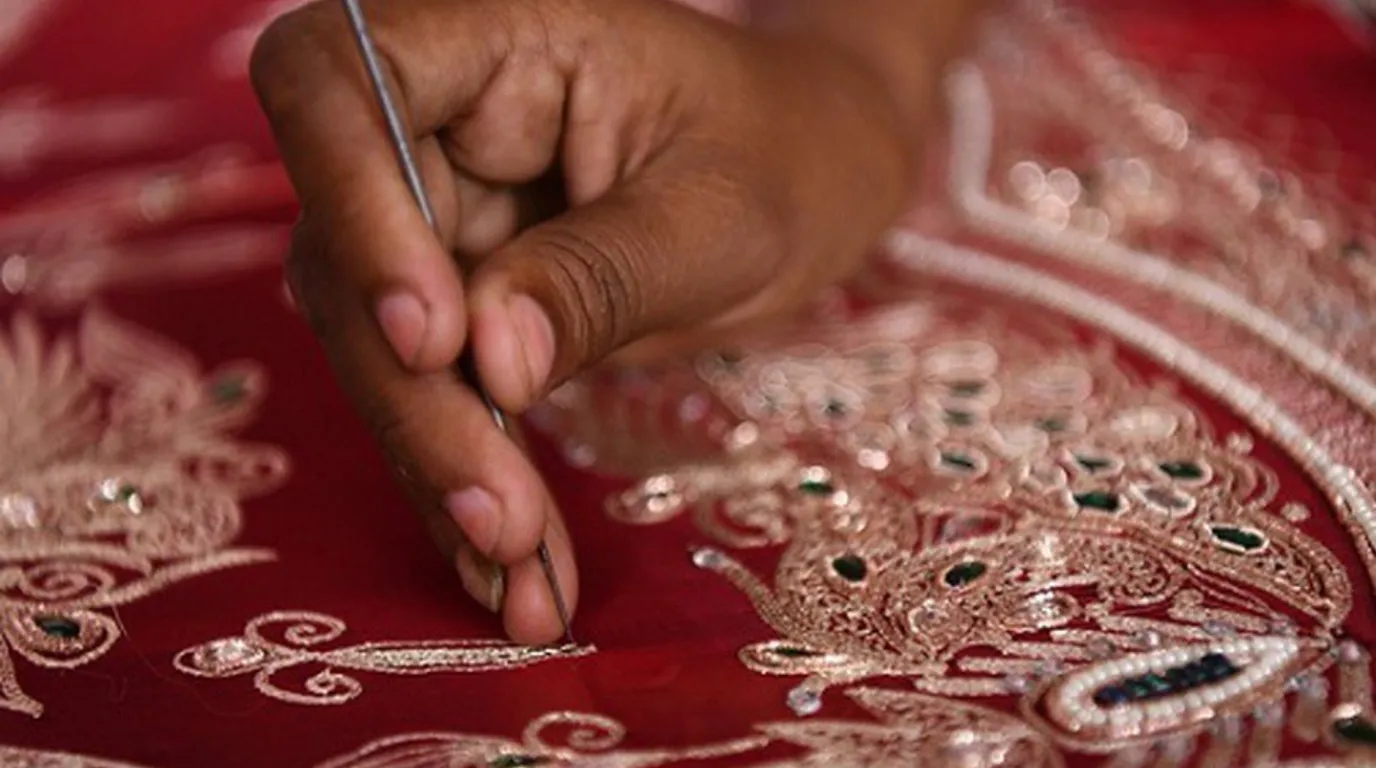
Discover the vibrant tapestry of Indian embroideries—from Chikankari to Phulkari—celebrating centuries of cultural heritage, regional artistry, and master craftsmanship.
Frequently Asked Questions
What is the most famous embroidery style in India?
Chikankari from Lucknow, Zardozi, and Phulkari from Punjab are among the most famous traditional embroidery styles in India, each renowned for its distinct motifs and technique.
What is Chikankari embroidery?
Chikankari is an elegant shadow-work embroidery technique originating from Lucknow, characterized by delicate white thread work on fine fabrics like muslin, cotton, or chiffon.
How does Kantha embroidery differ from other styles?
Kantha, originating from West Bengal, uses simple running stitches to join layers of recycled saris or cloth, forming intricate floral, animal, and mythological motifs.
What materials are used in Zardozi embroidery?
Zardozi uses metallic threads (historically silver and gold), sequins, beads, and precious stones crafted on heavy fabrics like velvet, silk, and satin.
Why is Phulkari culturally significant in Punjab?
Phulkari, meaning 'flower work,' is deeply rooted in Punjabi culture, traditionally stitched by mothers and grandmothers to celebrate weddings and births.
People Also Ask
How many types of embroideries are there in India?
India features dozens of distinct regional embroidery styles, with over 15 major recognized traditions including Chikankari, Zardozi, Kantha, Phulkari, Kashida, and Mirror work.
Which state is famous for mirror work embroidery?
Gujarat and Rajasthan are world-renowned for mirror work (Shisha embroidery), often practiced by pastoral communities in Kutch.
What is Kashida embroidery?
Kashida is a traditional embroidery style from Kashmir, known for vibrant floral, bird, and fruit motifs created with single-needle stitches on woolen or silk shawls.
Is Zardozi made of real gold?
Historically, Zardozi was crafted using pure gold and silver wires. Today, modern artisans often use gold-coated copper thread or metallic synthetic threads to keep it accessible.
What is Toda embroidery?
Toda embroidery, or 'Pukhoor,' is a distinct black and red geometric thread craft practiced exclusively by the indigenous Toda tribe in Tamil Nadu's Nilgiri hills.