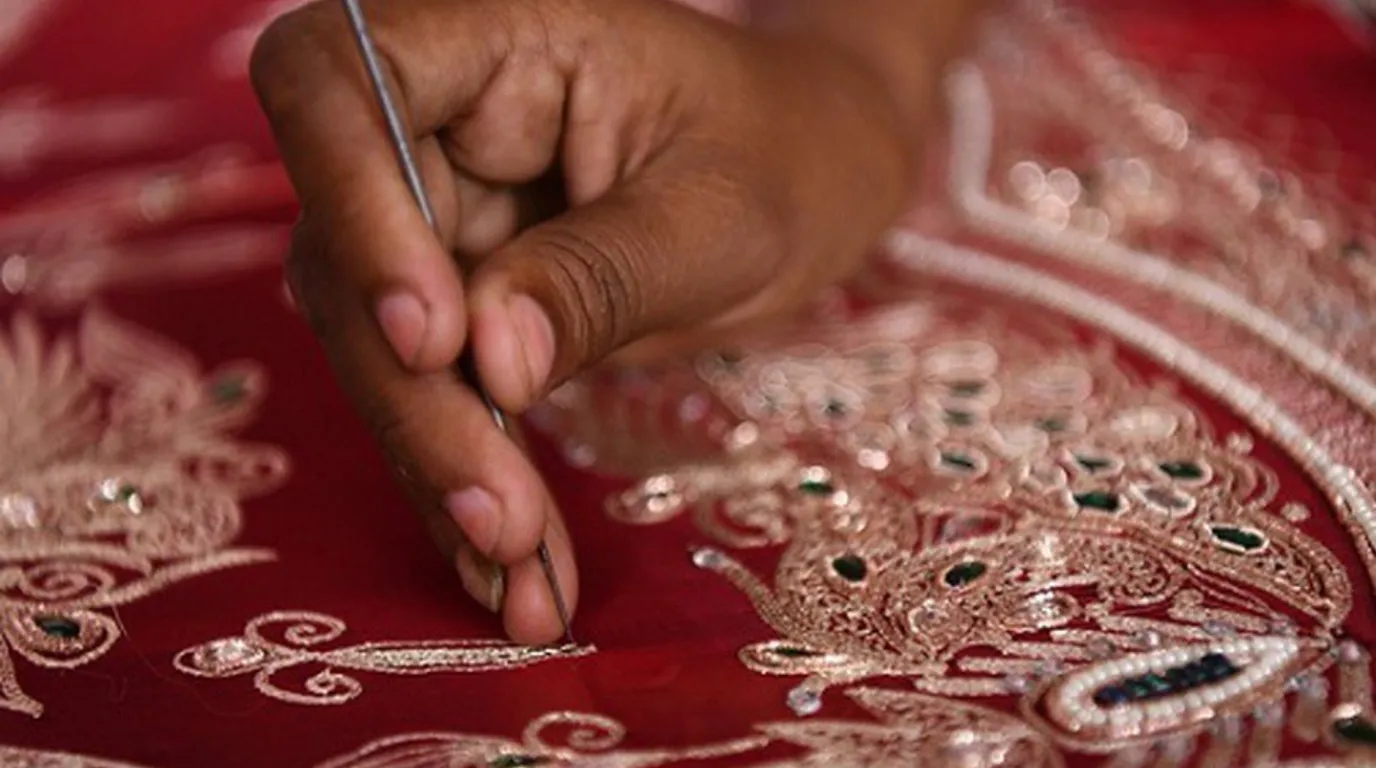
The Sari: A Symbol of Indian Femininity and Grace
Saris have a long and rich history in India. They are believed to have originated in the Indus Valley Civilization, which flourished from around 3300 to 1900 BCE. Saris were originally worn by both men and women, but they eventually became associated with women's clothing.
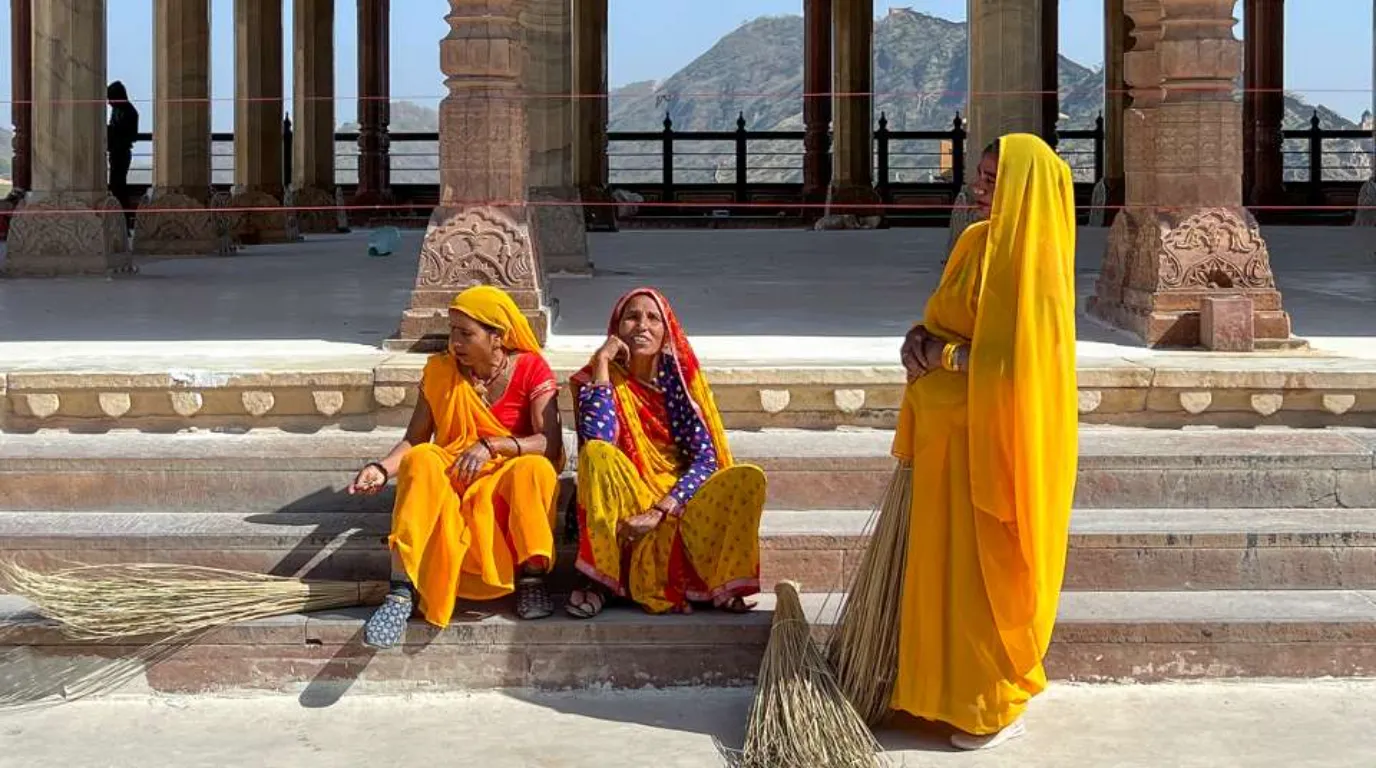
Saris are an important part of Indian culture. They are worn by women of all ages and social classes, and they are often seen as a symbol of femininity and grace.
There are many different types of saris, each with its own unique history and significance. Some of the most common types of saris include:
Banarasi saris: Banarasi Saree made in Varanasi and known for their gold and silver zari. The sarees are made of finely woven silk and among the finest sarees in India.
Tant Saris: Tant Saree is a traditional Bengali style saree made by the weavers and meant for daily use. Tant saree are most comfortable saree for the hot Indian summer.
Chanderi Saris: Chanderi Saree made in Chanderi town of Madhya Pradesh,produced from pure silk, chanderi cotton and silk cotton. Chanderi sari are also known for gold and silver brocade
Bandhani Sari: Bandhani is a tie dye textile process and the technique,variety and colour used in Bandhana are highly decorated. Bandhani Sarees are being sold all over India, especially during the festive and wedding seasons.
Patola saris: Patola Saree is a double ikat sari made from silk in Patan of Gujarat. These saris are most populara and very expensive, once worn only by royal and aristocratic families.
Kanjivaram saris: Kanjeevaram Saree are weaved from pure mulberry silk thread, made by the weavers of kancheepuram. Kanchipuram Sarees has been recognized as a Geographical indication by the Government of India.
Pochampally Saris: These saris are made of one of the ancient Ikat weaving with traditional geometric patterns. Air India cabin crew wear specially designed pochampally silk sarees.
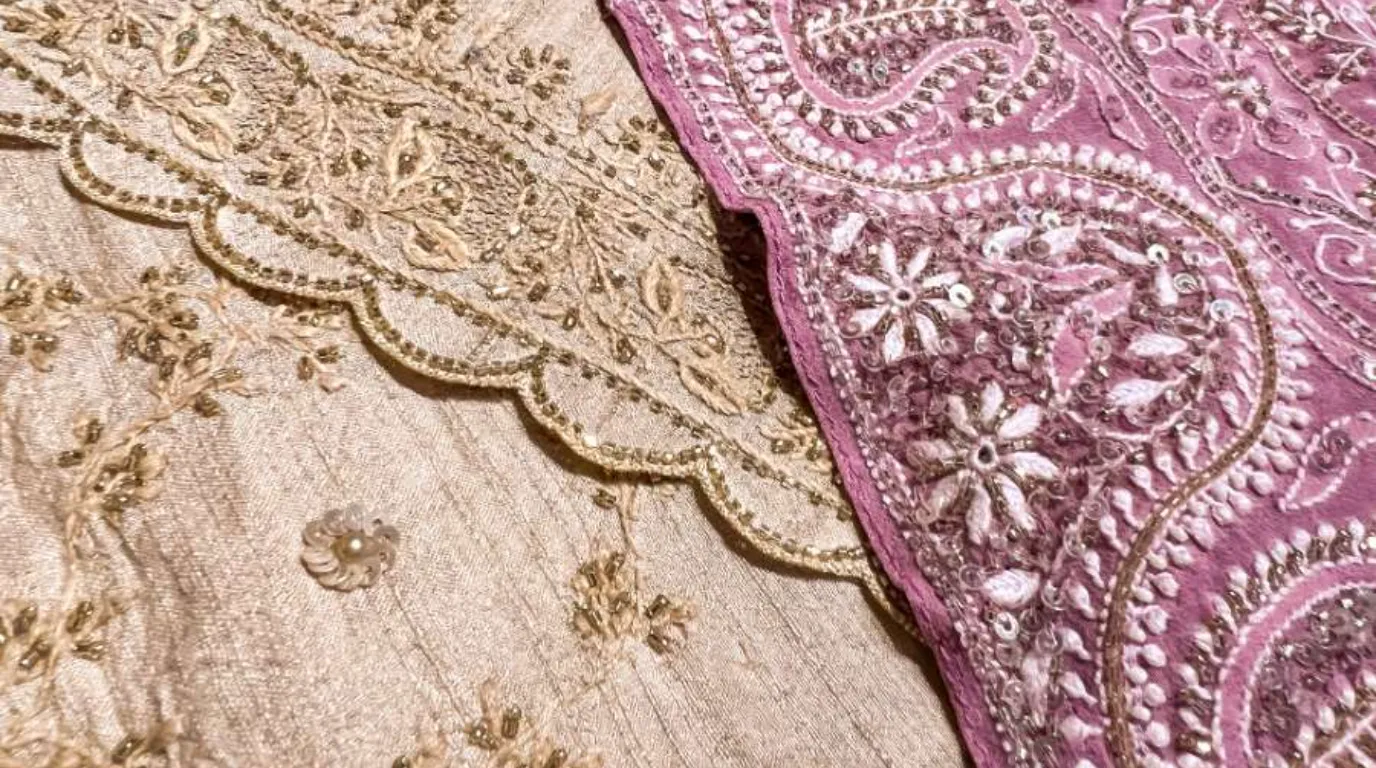
Jamdhani Saris: Jamdani saris are a type of handloom sari that is made in the city of Dhaka in Bangladesh. They are known for their intricate muslin weaving and delicate patterns. Jamdani saris are made from a fine, plain-weave muslin fabric that is then decorated with intricate patterns using a technique called "jamdani". Jamdani is a type of bobbin lace that is created by weaving threads of different colors and patterns into the fabric.
I hope you have enjoyed learning about the rich history and culture of the Indian sari. These beautiful garments are a symbol of Indian identity and heritage, and they continue to be worn by women of all ages and backgrounds today.
If you are interested in learning more about the Indian sari, or if you simply want to experience the beauty of India for yourself, I invite you to join me on one of my textile holidays. On these holidays, we will visit some of the most important sari-producing regions in India, and we will learn about the different types of saris that are made there. We will also have the opportunity to meet local artisans and see how saris are made firsthand.
In addition to learning about saris, we will also explore the rich culture and history of India. We will visit temples, mosques, and forts, and we will learn about the different religions and ethnic groups that make up India's diverse population. We will also enjoy delicious Indian food and experience the warm hospitality of the Indian people.
I hope you will join me on one of my textile holidays to India. It is a truly unforgettable experience.
Key Takeaways
- The sari is a 5,000-year-old unstitched garment deeply woven into India's cultural identity.
- Over 80 distinct regional draping techniques reflect the geographic and cultural diversity of India.
- Beyond aesthetic appeal, the sari symbolizes dignity, personal self-expression, and continuous tradition for Indian women.
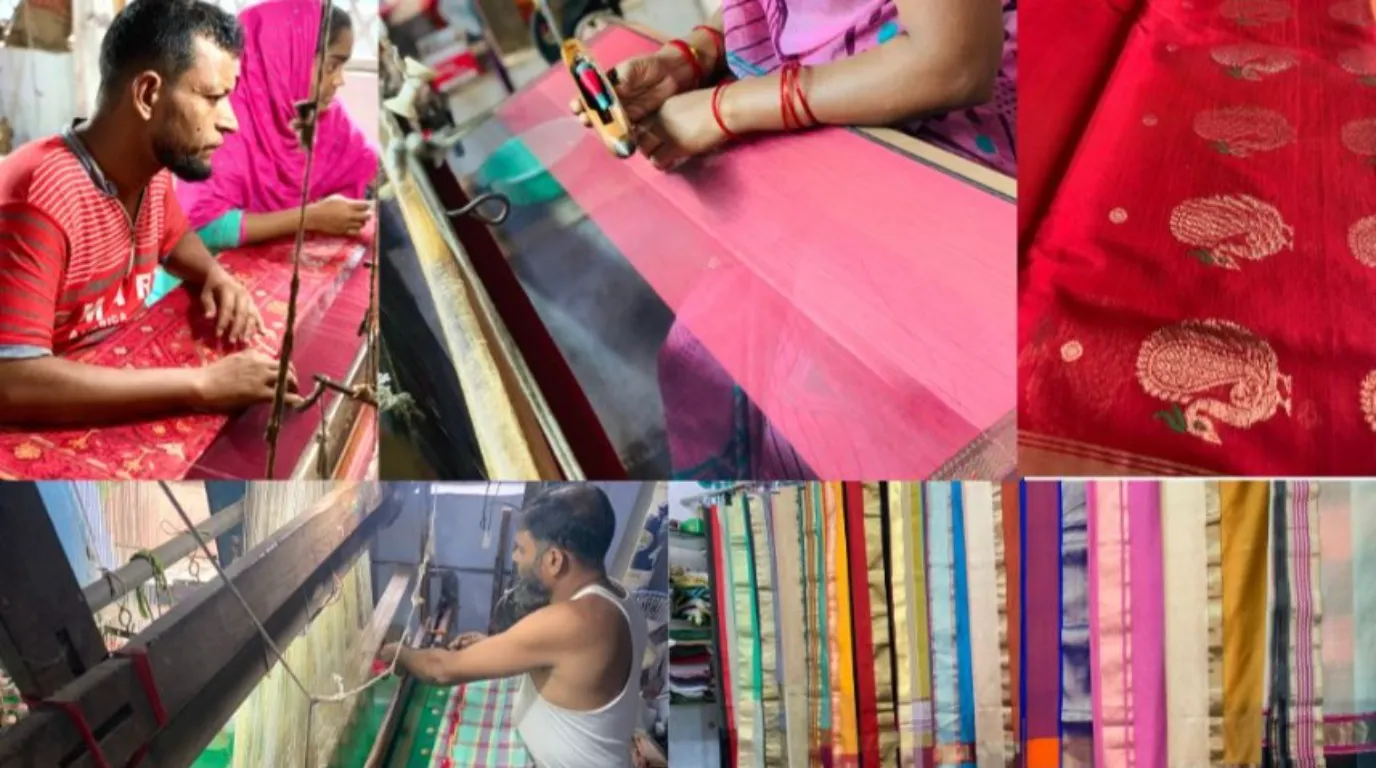
Explore how the traditional Indian sari transcends mere fashion to embody centuries of culture, graceful craftsmanship, and the enduring spirit of Indian femininity.
Frequently Asked Questions
What is the origin of the Indian sari?
The sari traces its roots back to the Indus Valley Civilization around 2800–1800 BCE, originating as a woven cotton drape.
How many ways can you drape a sari?
There are over 80 documented regional draping styles, though the Nivi drape is the most commonly recognized modern style.
What is the cultural significance of sari colors?
Colors hold deep symbolic meaning: red signifies celebration and marriage, yellow represents purity, and white symbolizes peace or mourning.
Why has the sari remained popular in modern fashion?
Its versatility, timeless elegance, and ability to adapt to contemporary trends keep it relevant across generations.
What is the difference between a sari and a saree?
There is no difference; 'sari' and 'saree' are alternative phonetic spellings of the same traditional Indian garment.
How do you care for delicate silk saris?
Silk saris should be dry-cleaned, stored in soft breathable cotton bags, and occasionally aired out in the shade to preserve the weave.
People Also Ask
What does the sari represent in Indian culture?
The sari represents grace, tradition, cultural identity, and womanhood across diverse regions of India.
Why is the sari considered unstitched clothing?
Historically, unstitched cloth was viewed as pure and sacred in Indian traditions, offering both flexibility and climate breathability.
How many yards is a traditional sari?
A standard sari typically ranges between 5 to 9 yards (4.5 to 8 meters) in length.
Can non-Indian women wear a sari?
Yes, wearing a sari respectfully is widely appreciated as an embrace of Indian artistry and cultural heritage.
What are the most popular sari fabrics?
Popular fabrics include handloom silk (like Kanjeevaram and Banarasi), cotton, linen, georgette, and chiffon.